We turn your data into platforms that think.
Products we build and operate. Services we deliver for companies with data they can't use yet. Two practices, one engineering mindset.
We build AI platforms and
deliver them as a service
We run our own products in production daily, and apply that same engineering to fixed-scope client engagements.
Our Platforms
AI-powered tools we've designed, engineered, and operate ourselves. Built to solve our own problems first — then operated daily with real money on the line.
AI Knowledge Systems
Fixed-scope AI knowledge system builds for manufacturers and data-heavy SMBs. We turn your technical docs, product data, and institutional knowledge into AI systems your team and customers can query.
- 6-week fixed-scope, fixed-price engagements
- On-prem capable, async-first delivery
- Currently in production at a multi-million-dollar industrial manufacturer
Six weeks. Fixed scope.
Production at the end.
Most AI consulting projects fail because the scope grows mid-flight. We commit to a tight 6-week loop with a working system at the end — not a prototype, not a deck.
Discovery
Walk your data. Pick the highest-leverage queries. Lock the scope and acceptance criteria in writing.
Foundation
Ingest pipeline, schema, embeddings, retrieval. First end-to-end query running on real data.
Iteration
Tune retrieval, harden extraction, layer guardrails. Daily demos so you see progress, not promises.
Integration
Wire into your stack — SSO, your DB, your existing portal. On-prem if your data demands it.
UAT
Your team uses it on real work. We fix what they hit. No surprises on handoff day.
Handoff
Documentation, runbooks, 30-day support. You own the code, the model choices, and the costs.
Engineering-first,
since 1997
Digital Waterhouse is a design engineering studio focused on AI-powered platforms. We connect messy real-world data — scanned PDFs, decades-old ERPs, sprawling CRMs — to clean, intelligent interfaces that the people doing the work can actually use.
Our products practice proves the approach: we build and operate our own platforms daily, making real decisions with real money on tools we've engineered from scratch.
Our services practice applies that same discipline to client work: fixed-scope engagements that ship production AI systems in weeks, not quarters.
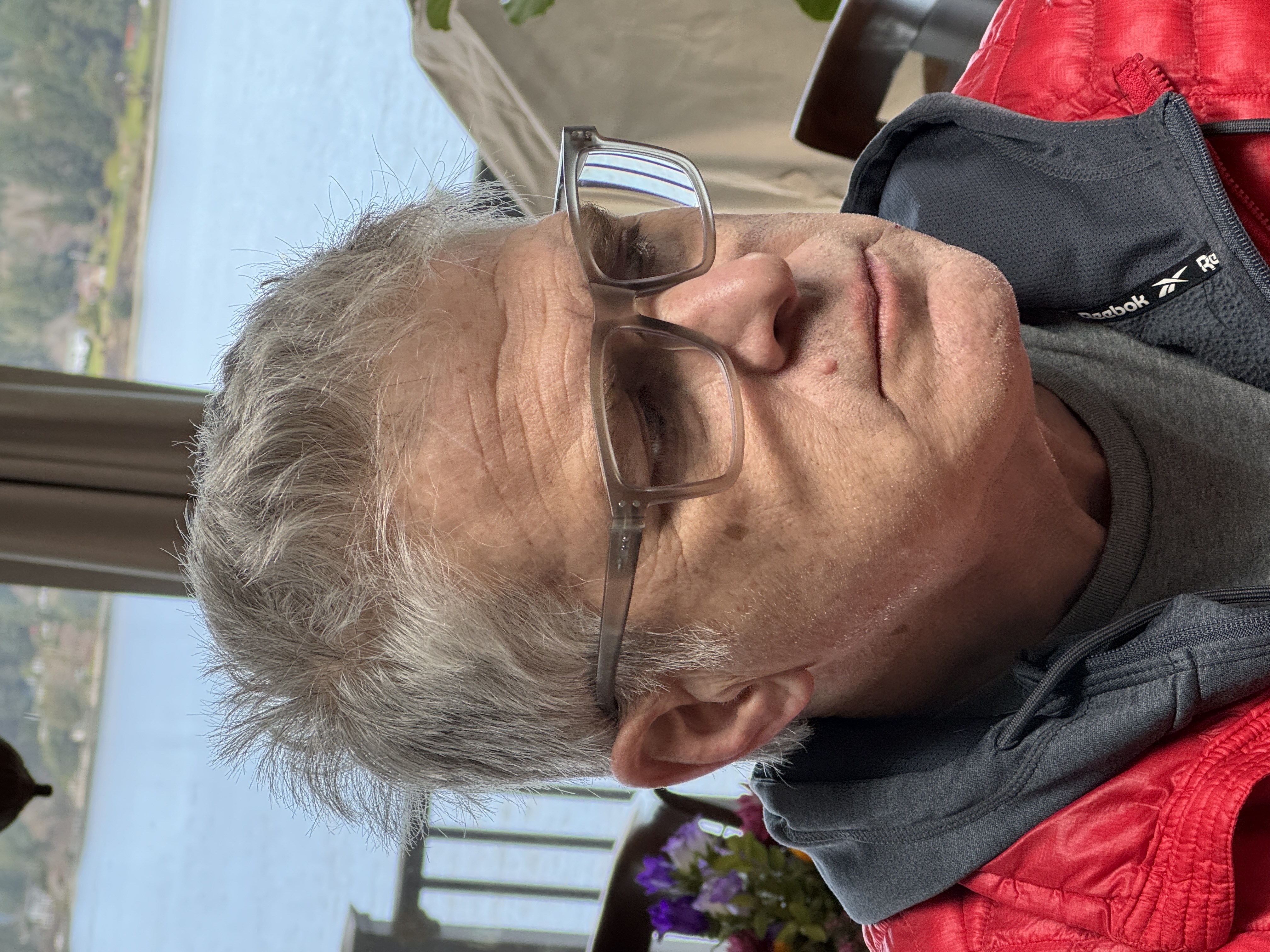
Paul Littleton
The 90s for me were motion-capture films and online entertainment platforms — visual and interactive technical work back when both fields were still inventing themselves. I kept building web platforms through the 2000s. In 2011 I joined Omnivalve and helped scale the business: operations, systems, sales tooling, customer-facing portals — all the unglamorous infrastructure a manufacturing company needs to grow.
That mix of perspectives turns out to be useful. I've been on the buyer side of consultants, the engineer side, and the operations side that has to live with whatever ships. Digital Waterhouse is what happens when you point that range at current AI capabilities. I run my own platforms in production daily, so when I tell a client what works, I'm telling you from yesterday's incident review — not from a Twitter thread.
Let's build something intelligent.
Have data your team can't get answers from? Tell us what you're working with.
Start a Conversation →